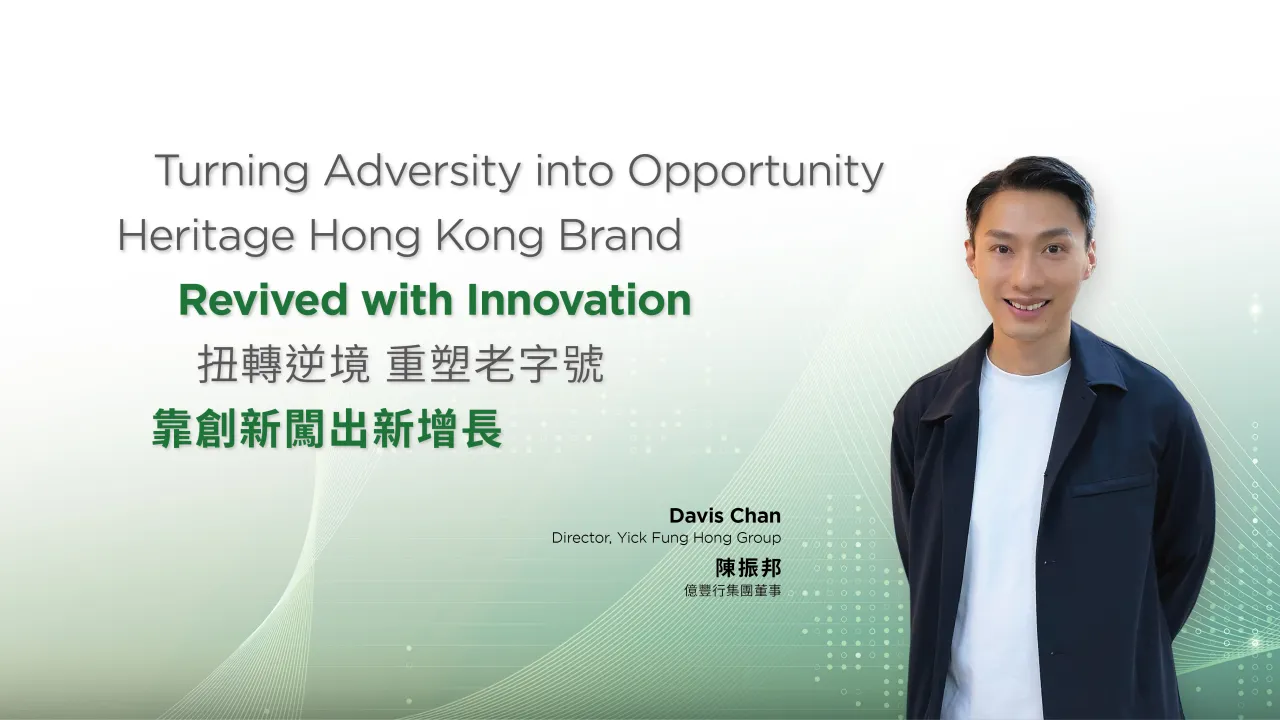
Turning Adversity into Opportunity Heritage Hong Kong Brand Revived with Innovation
For decades, Yick Fung Hong built its reputation on a simple promise: reliable quality. Starting with traditional laundry powder and household cleaners, the company turned “WayWay” into a household name across Hong Kong. However, as the market shifted, the once-iconic local brand found itself aging on the shelf — limited product portfolio, and reliance on traditional retail channels left it at risk of losing relevance in an increasingly competitive market.
“We realised that our brand was moving behind the pace of the market,” recalls Davis Chan, Director of Yick Fung Hong Group. “Through brand revitalisation, product innovation and channel expansion, we successfully brought WayWay back onto a growth trajectory. Today, we have transformed from a single-brand household cleaning company into a diversified brand operator and distributor spanning health supplements, beauty and personal care, creating entirely new revenue streams and achieving a strong business rebound.”
A Journey from “Zero-to-One”
Before embarking transformation, WayWay’s traditional retail mindset faced mounting pressures from a rapidly changing market - laundry pods, hypoallergenic formulations and functional cleaning products had become mainstream, while consumers increasingly discovered brands through social media and e-commerce rather than supermarket shelves. Large retail buyers even questioned the brand's competitiveness and future sales potential.
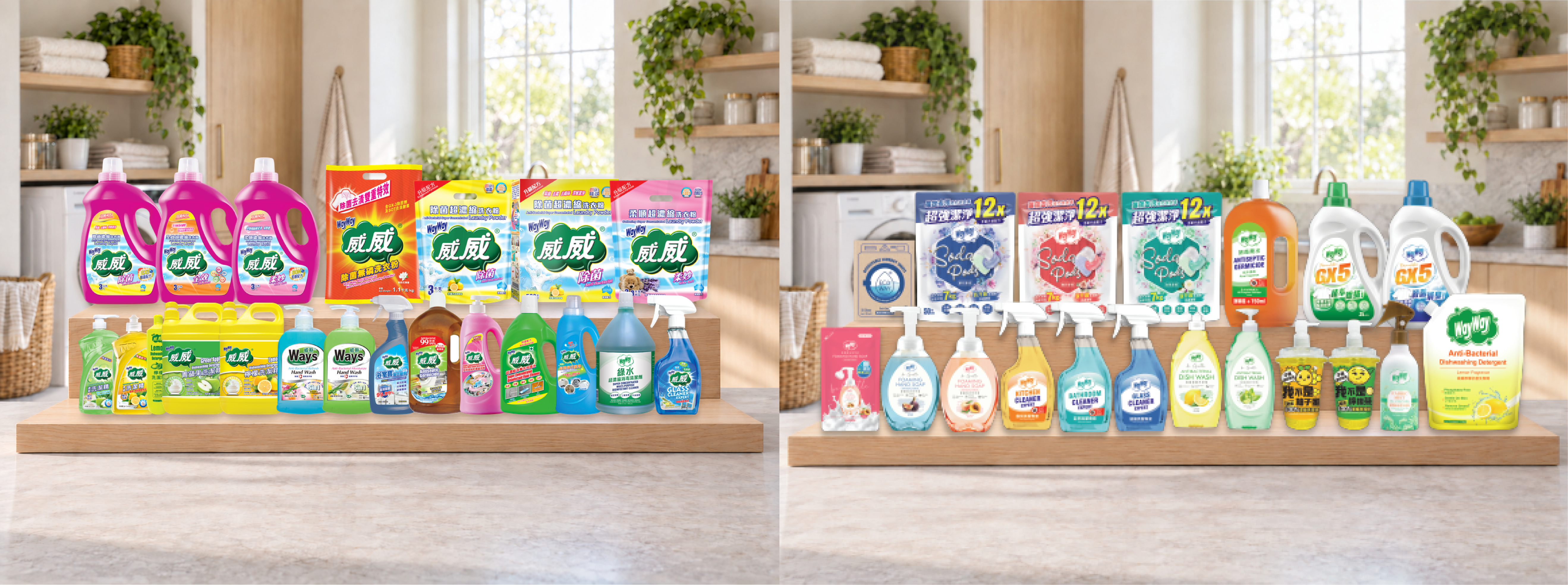
“In many ways, we had to start from zero. We reimagined the business from the ground up. The transformation began with a comprehensive product and brand overhaul. The company refreshed its logo and packaging design to project a more contemporary image while investing in product development. New offerings were introduced across multiple categories, including laundry pods, antibacterial protection products, specialised garment care solutions and personal hygiene products, enabling the brand to respond more effectively to consumers’ growing demand for functionality and performance.” Davis shared.
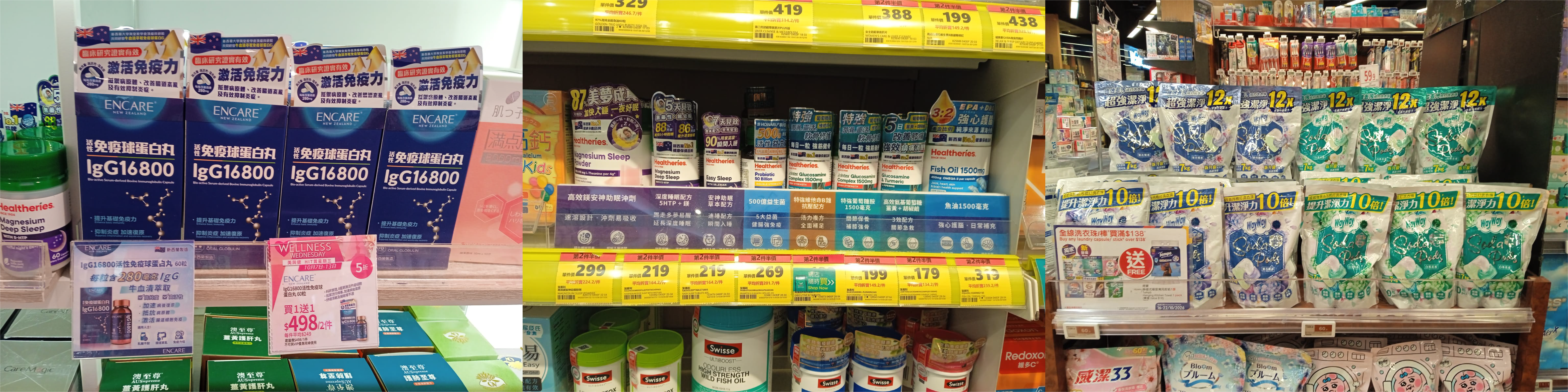
The company expanded its sales network significantly. Beyond traditional supermarkets, WayWay established partnerships with health and beauty retailers and strengthened its presence on major direct-to-consumer e-commerce platforms. This omnichannel strategy opened new revenue opportunities and broadened customer reach. In Mainland China, particularly across South China, the Group adopted an e-commerce-first strategy, supported by content marketing and community engagement on platforms such as Xiaohongshu.
IP & Local Culture: Creating Buzz That Sells
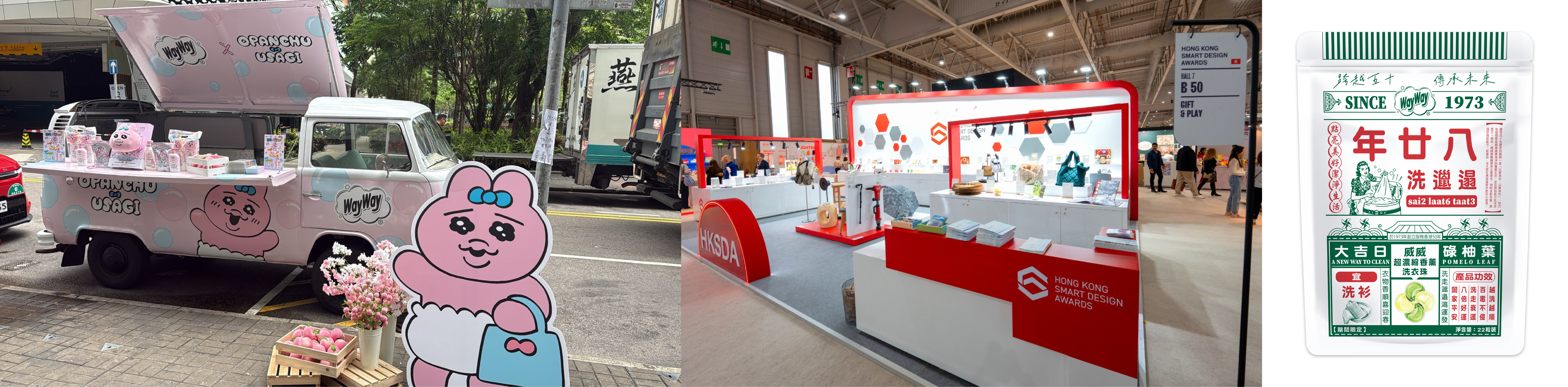
Product upgrades alone were not enough to reignite consumer interest. Davis shared, “Today’s consumers are looking for novelty, relevance and experiences that resonate with them. Collaborating with popular intellectual properties (IP) allows us to quickly attract attention and reshape the perceptions of household cleaning products as innovative and exciting.” In recent years, WayWay has actively partnered with well-known IPs to create limited-edition products and marketing campaigns. These collaborations have proven particularly effective in attracting younger consumers and encouraging first-time purchases.
Beyond international IP, the brand has also woven Hong Kong local culture into its products. One standout example was a product series inspired by the Lunar New Year tradition of "Spring Cleaning", a familiar cultural practice among local families. The campaign generated significant market buzz and won the Gold Award in Hong Kong Smart Design Award. The award-winning collection was subsequently showcased in professional roadshows in Shanghai and France, demonstrating the creativity and competitiveness of Hong Kong brands on an international stage.
The Group is also actively adopting AI technologies in marketing operations and data analytics, helping teams better understand consumer behaviour and identify emerging market trends.
Innovation Driven by Quality
Despite the success of IP collaborations and promotional campaigns, Davis emphasises that sustainable growth ultimately depends on product performance. He says, “IP partnerships, local cultural themes and promotional offers may attract consumers to try a product, but only product quality can turn first-time buyers into loyal customers.”
To uphold this philosophy, the company established a dedicated R&D team that combines “Hong Kong R&D” with “Mainland manufacturing” capabilities. New formulations and packaging concepts are continuously tested before commercial launch, while every product undergoes stringent quality assurance procedures to meet safety standards. Management also maintains close oversight of manufacturing, logistics and retail operations to ensure consistent quality across the supply chain.
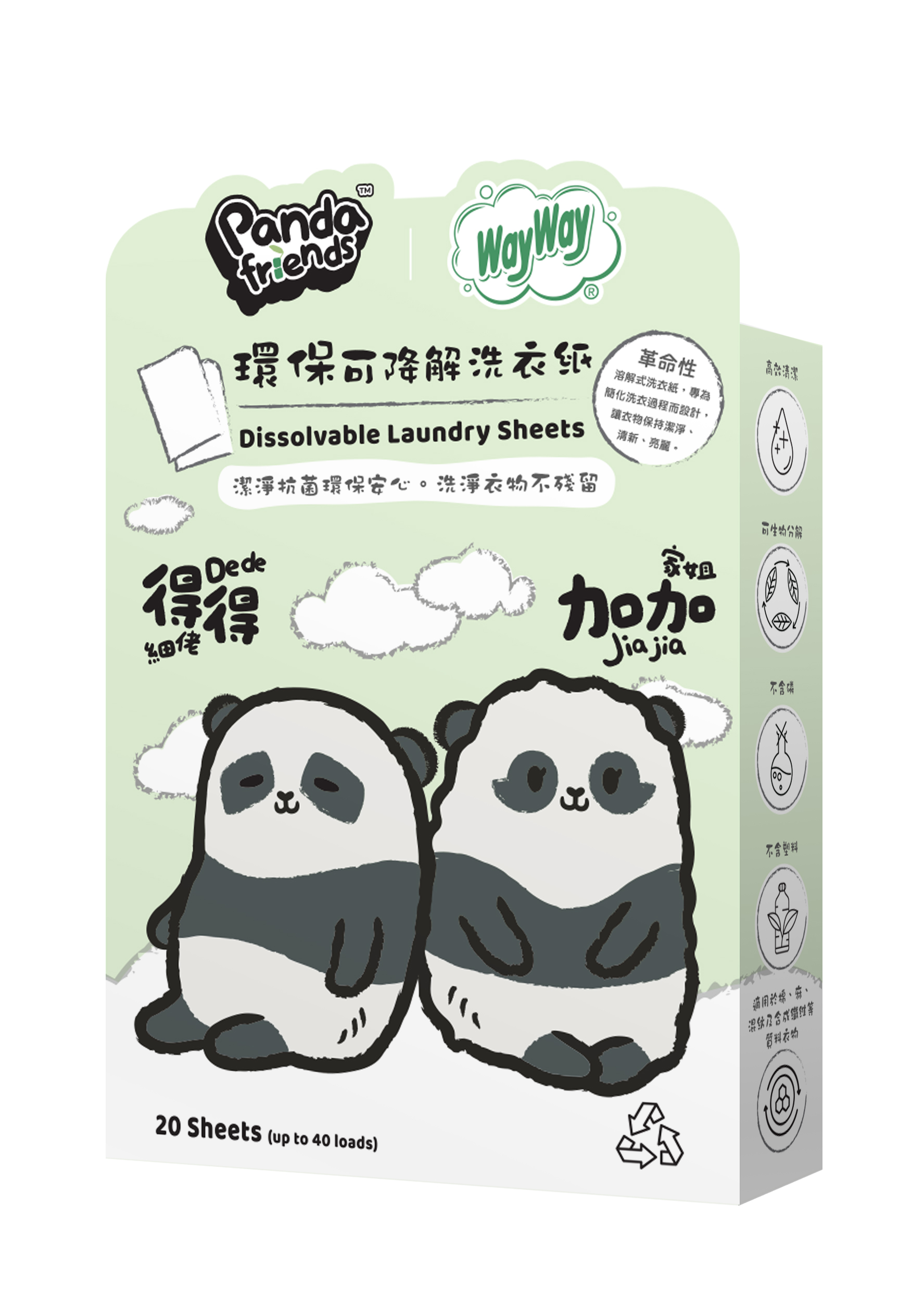
As consumer expectations around sustainability continue to rise, ESG principles have become increasingly integrated into product development. The company has developed dissolvable laundry sheets and adopted soy-based inks for packaging, reducing environmental impact from the source.
The company is also exploring the adoption of international QR codes to provide detailed product information and quality certifications, strengthen brand credibility, and ESG commitments.
Supporting SMEs and the Creative Industries
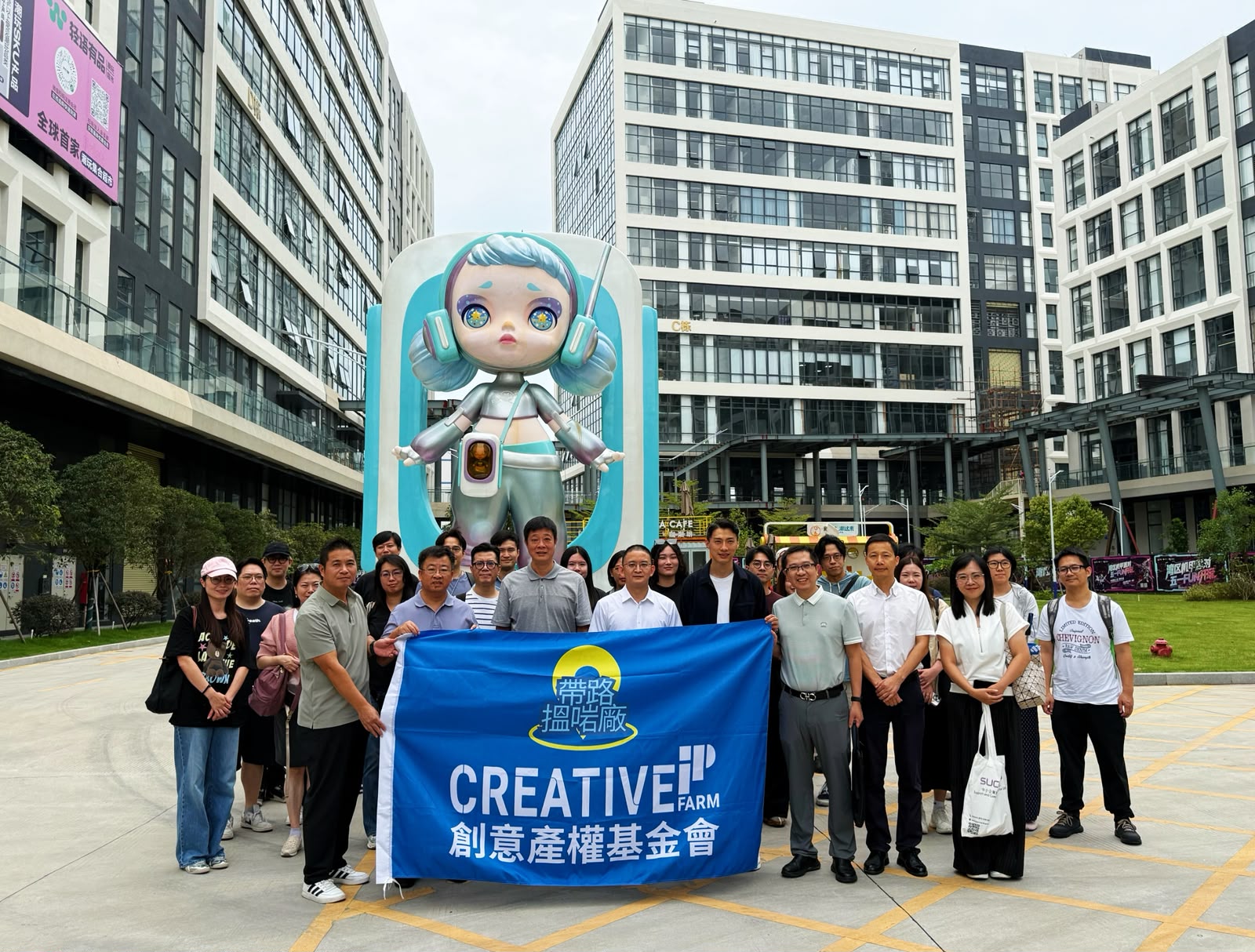
Beyond business transformation, Davis is passionate about supporting SME development and the growth of Hong Kong's creative industries. As a member of GS1 HK’s SME Advisory Board and Founder of the Creative IP Farm Foundation, he advocates stronger collaboration between creators and businesses to unlock the commercial value of intellectual property.
Davis explains, “The inspiration came from our own transformation journey. Many people recognise the importance of IP, different stakeholders often have very different priorities - creating gaps that hinder commercialisation.” The Foundation provides advisory services, training programmes and its “IP Business Partners Pilot Scheme”, helping businesses navigate trademark registration, licensing arrangements, contract reviews and commercialisation strategies.
Looking ahead, Roger believes that the industry’s approach to sustainability should go beyond compliance and information disclosure to become a catalyst for supply chain evolution. Manufacturers in many production markets are already collecting carbon-emissions and ESG data, but without financing to upgrade equipment and optimise manufacturing processes, such data remains difficult to convert into actual carbon reduction results. He points out that Hong Kong, as Asia’s leading green and sustainable finance centre, can play a pivotal role—enabling companies to use credible and transparent transaction data that financial institutions can assess when evaluating business conditions, which ultimately facilitates green financing.