EU Digital Product Passport is Approaching | 2026 Marks a Critical Starting Point!
A “Digital ID” for Every Product?
Among the sustainability regulations being introduced globally, the European Union’s Digital Product Passport (DPP) regulation is expected to come into force from 2027, applying to multiple sectors including textiles, construction materials, batteries, and electronics.
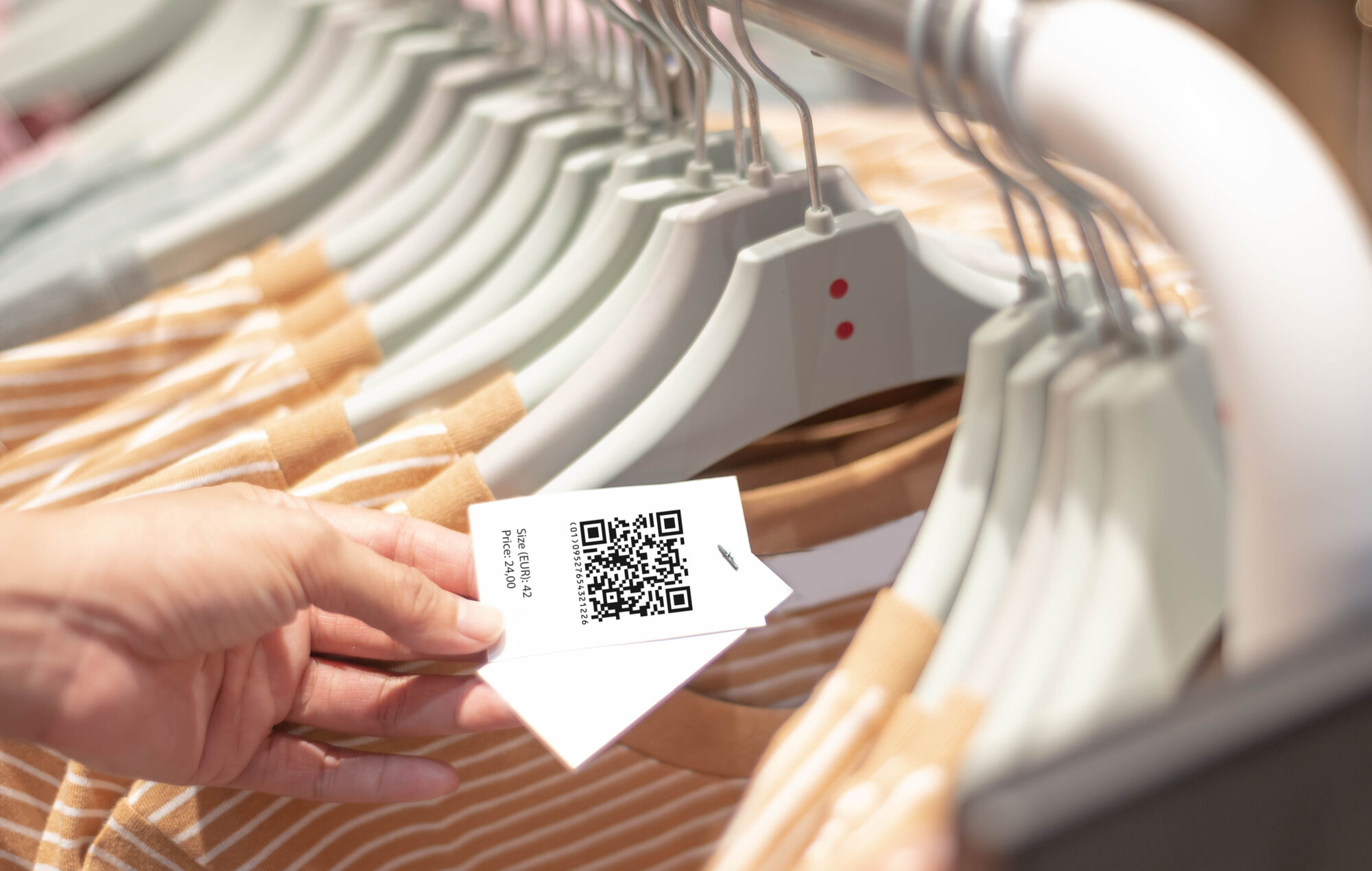
The Digital Product Passport (DPP) will require products sold on the EU market to be issued with a “digital ID” that records information across the product lifecycle. This includes origin, material composition, supply chain data, compliance and certification information, and end-of-life and recycling details. Delivered through a QR code, this information will be easily accessible to supply chain partners, regulators, and consumers - enabling access to environmental footprint data, enhancing product transparency, and supporting the transition to a circular economy.
While there is still some time before the regulation takes effect, it’s now a critical time for companies to get prepared to remain competitive. The DPP also marks the start of a new phase for sustainable business: one where product information becomes a verifiable source of truth.
DPP Pilot in Asia Pacific
With funding from the Asian Development Bank (ADB), GS1 Asia Pacific partnered with manufacturers in Sri Lanka to conduct a pilot project for scalable digital sharing of Environmental, Social and Governance (ESG) information from the source, helping meet the growing product transparency requirements of regulators and consumers in export markets.
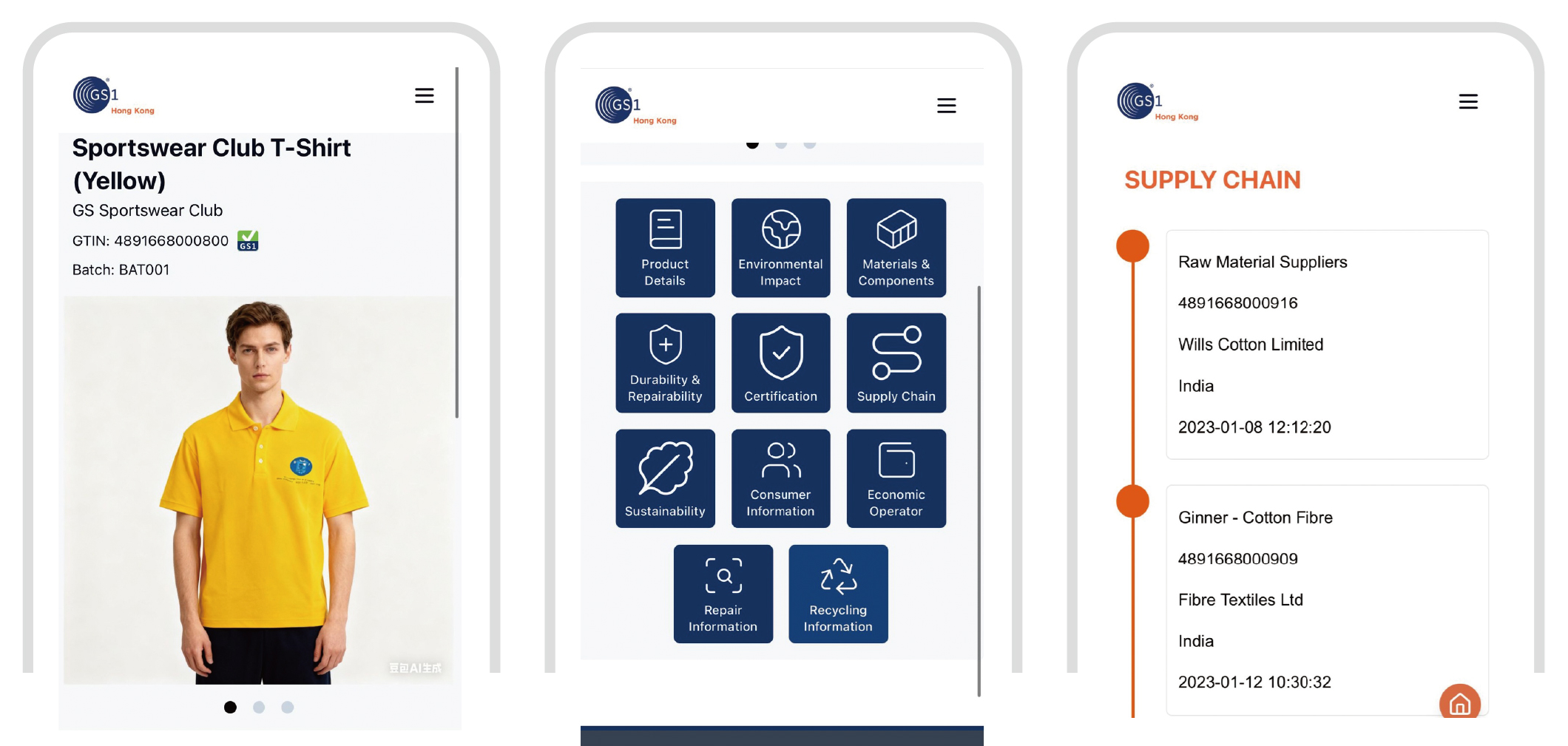
As Sri Lankan manufacturers participating in the pilot placed focus on Digital Product Passport (DPP) requirements, GS1 Hong Kong developed an ESG data model for T shirts to support compliance and transparency. By integrating QR Codes powered by GS1 Digital Link, DPP required information is presented in a structured and digital format.
One Stop Solution to Build a Product “Digital Identity”
GS1 Hong Kong also offers Digital Product Passport (DPP) solutions to help companies get ready for DPP requirements.
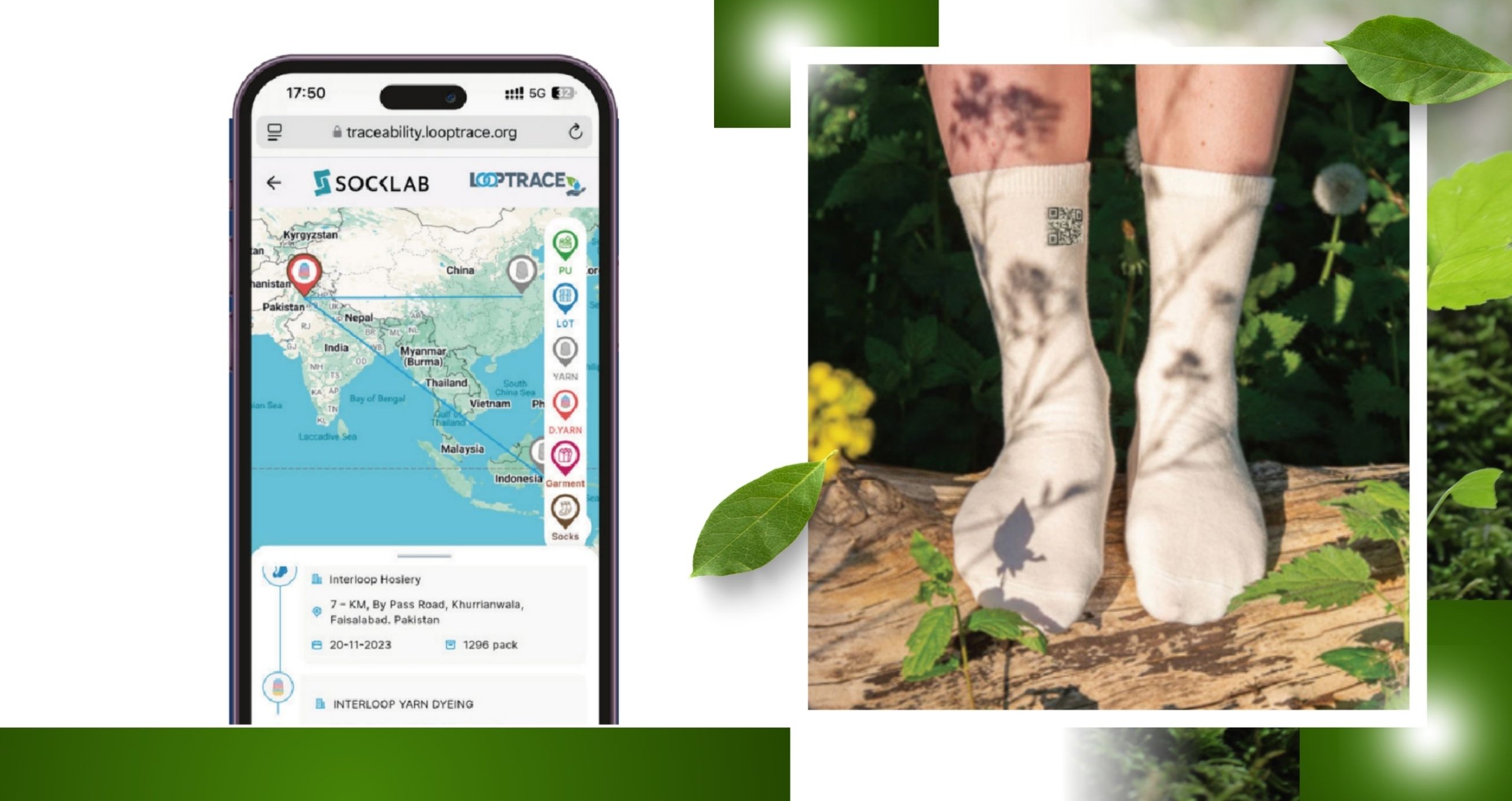
Biodegradable Socks Enabling End to End Traceability from the Source
Companies around the world are beginning to adopt Digital Product Passport (DPP) to prepare for future regulatory and market requirements. SockLab® conducted a pilot project using Digital Product Passport (DPP) for its biodegradable socks. By applying GS1 standards, including barcodes (GTIN), Global Location Numbers (GLN) and QR Codes powered by GS1, the project enabled end to end traceability across the supply chain—from cotton sourcing in Pakistan to global partners in Japan, Indonesia and beyond.
Made entirely from certified biodegradable materials, the socks demonstrate how DPP allow consumers and supply chain stakeholders to better understand product information, highlighting the product’s circular economy benefits.